picture locked
2017Final cut 1.2 and theatrical poster art were delivered from the São Tomé production package.


Mina Kia / Narrative film / São Tomé and Príncipe
Mina Kia is a Haamer Ventures narrative film from São Tomé: numbered scenes, a locked 1.2 master, poster art, casting design, and hundreds of stills. The Film edition needs that package on the page — not as nostalgia, but as proof that HAAM tells stories with cameras as carefully as with interfaces.
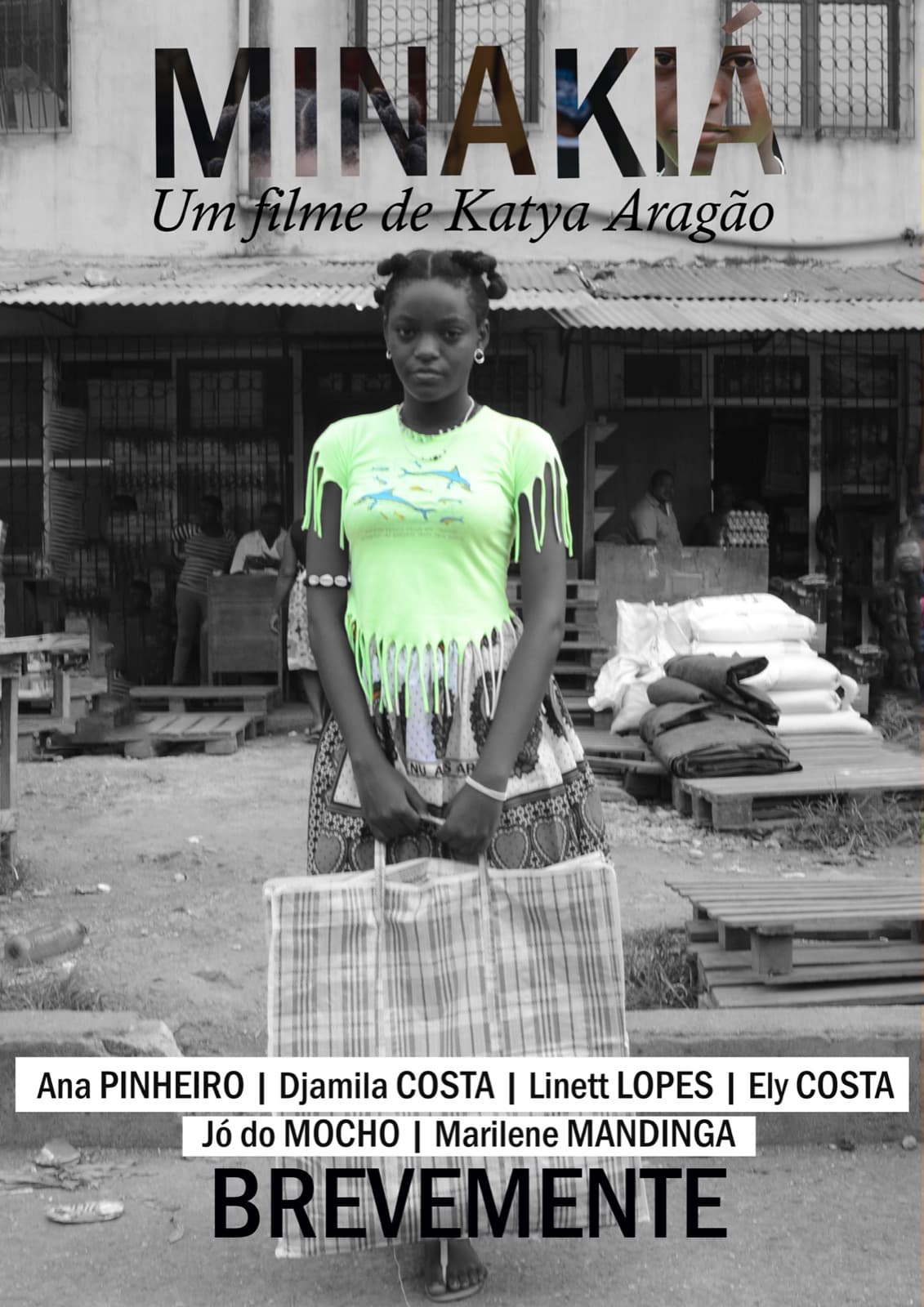
picture locked
2017Final cut 1.2 and theatrical poster art were delivered from the São Tomé production package.
scene folders
35Production organised around numbered scenes, narrative editorial, assets, and a making-of track.
production stills
365On-set still photography covers casting through principal photography for campaign and festival use.
production base
STPA Haamer Ventures narrative film made in São Tomé and Príncipe — the same creative geography as Elsa and TEDx.
The premise
The same discipline that shapes HAAM product case studies shaped this cut: decide the character, protect continuity, version the deliverable, and leave an archive someone else can reopen.
On disk the package is complete — Docs, Render, Scenes. On haam.co the public surface is the poster, a tight still set, and the story of how the production was organised so the Film page can show a real picture, not only abstract festival language.
Numbered scenes, narrative editorial, and casting design kept the shoot legible.
Versioned renders through 1.2 produced a known public master and making-of track.
Poster and stills become the Film edition entry while the masters stay archived.
Production stills
Selected from 365 stills in the Mina Kia render package — enough atmosphere and cast presence for the Film page without shipping the full archive.
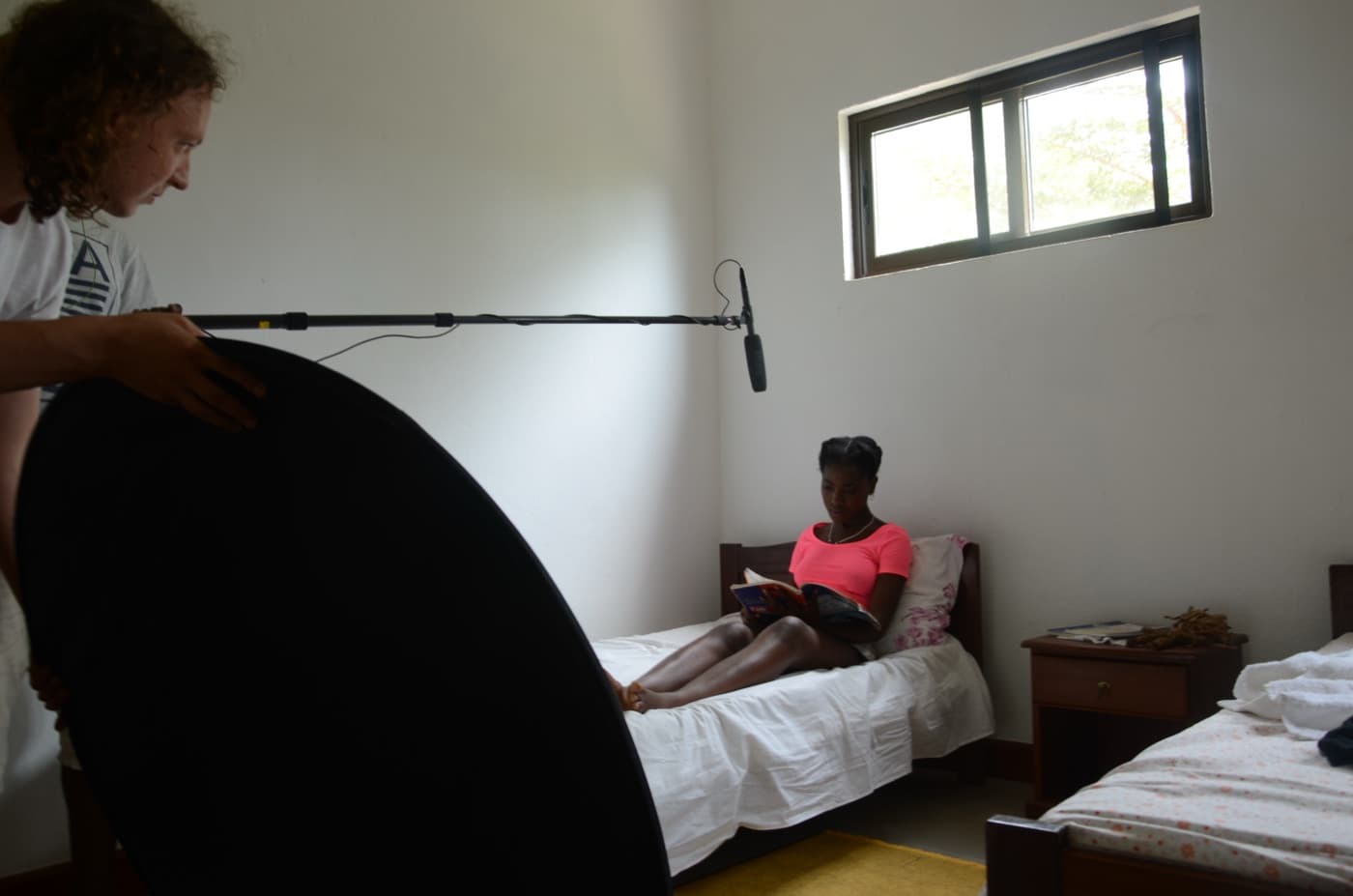
On set
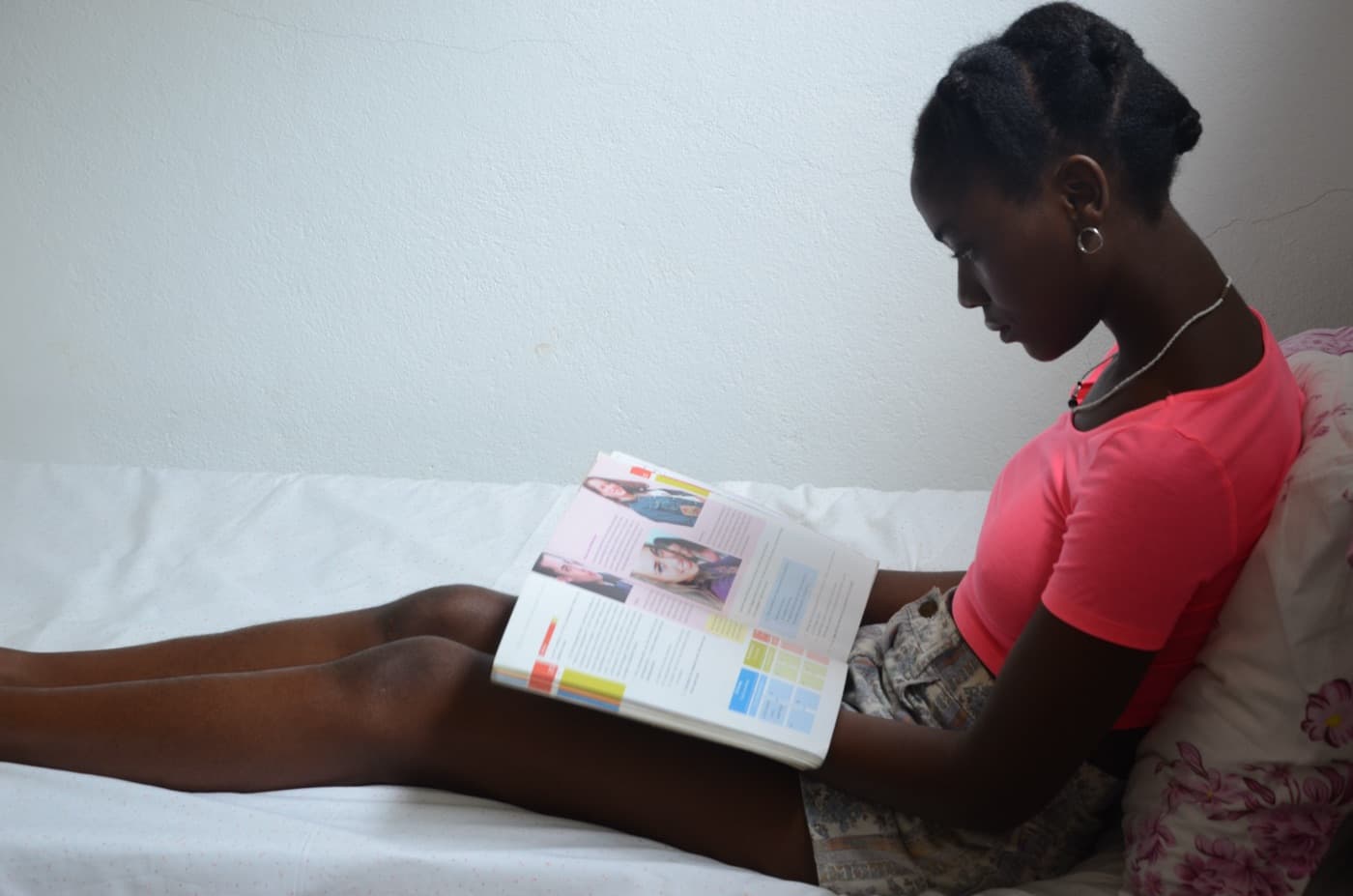
Cast
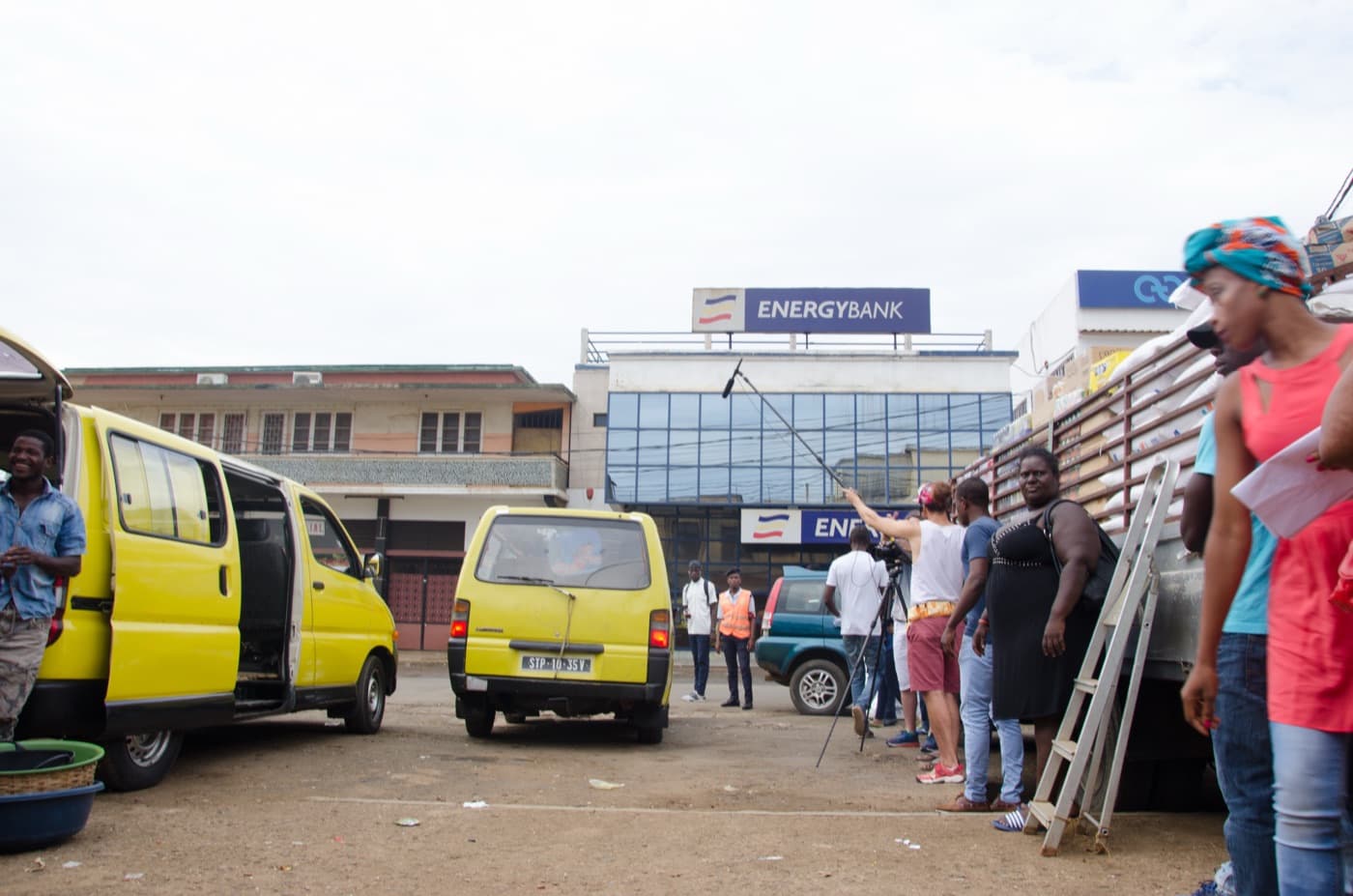
Location
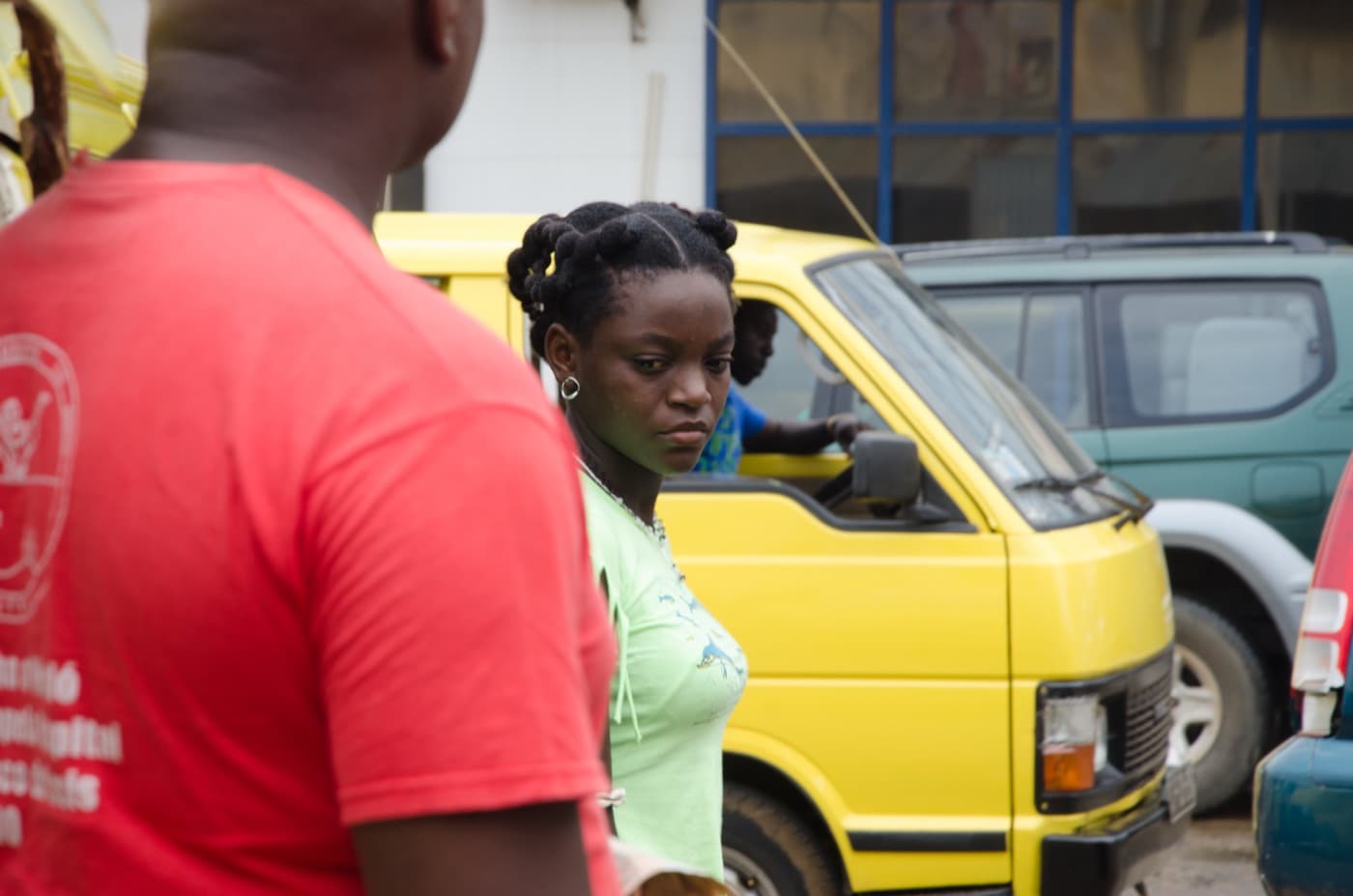
Coverage
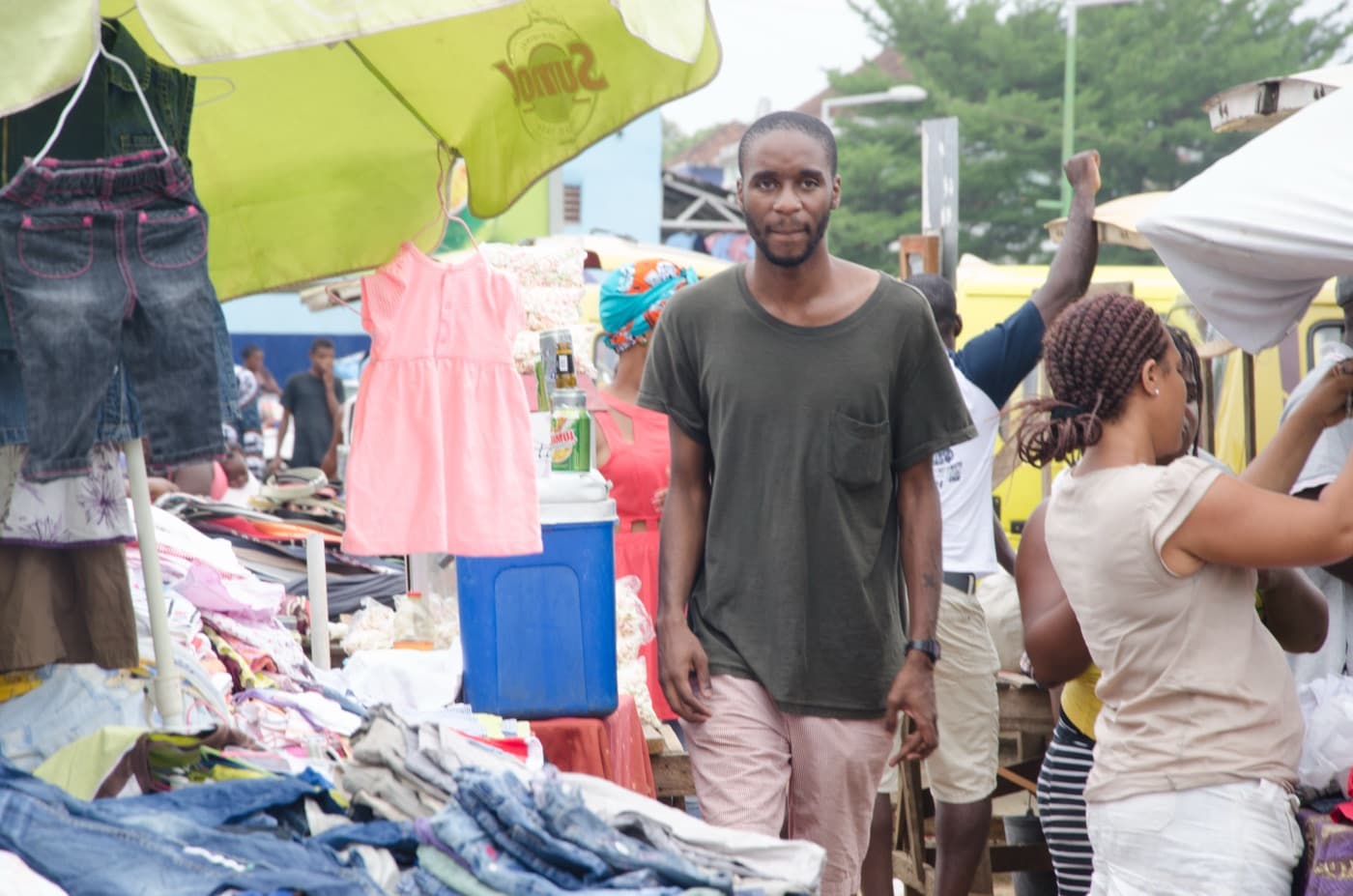
Detail
Character first
Mina Kia was edited as a character film: scene folders, narrative assembly, and poster art all point back to one presence on screen. The interaction-design habit is the same as a product journey — decide who the visitor is following before decorating the frame.
Production system
Docs, Render, and Scenes separated casting design, Lightroom catalogues, locked masters, and raw scene media. That structure is what lets the film page stay honest years later: poster, stills, and a known final cut instead of an unfindable export.
Public frame
A case study cannot ship a 4 GB ProRes master. It can ship the poster, a set of stills that prove the world existed, and a narrative about why the cut mattered — enough for a festival page, a regional edition, or a future screening kit.
Project record
Source masters and scene media remain in the production archive. This page publishes the public-facing layer: poster, stills, and the production logic behind the cut.
Continue exploring
How we learned
Storyboards, casting material, production stills, scene work, poster variants, and different exports formed a practical research trail. Reading those artifacts together makes the creative decisions easier to understand than treating the final cut as the only evidence.
Evidence trail
Good interaction design should be traceable upstream. Depending on the project, that upstream work might be interviews, co-design, fieldwork, archive work, testing, analytics, or operations. Here is the shortest version of the chain from evidence to decision.
01
A locked 1.2 master, theatrical poster variants, casting design, and 365 production stills were organised across Docs, Render, and Scenes.
02
A narrative film only stays public if the package stays findable - character, cut, poster, and stills have to travel together.
03
Publish the poster and a curated still set on HAAM Film while keeping scene media and masters in the production archive.
04
Mina Kia becomes a concrete Film edition entry instead of an unreachable drive folder.
Optional analytics. Google Analytics and Clarity load only if allowed; form, email, and chat content are excluded.